

Heavy menstrual bleeding, painful periods, and persistent pelvic discomfort are often attributed to hormonal changes or stress. However, for some women, these symptoms may be caused by adenomyosis, a condition in which the tissue that normally lines the uterus grows into the muscular wall of the uterus. Understanding adenomyosis treatment can help women recognize when medical evaluation is appropriate and what treatment options may be available.
Women across Chandigarh frequently seek gynecological care after experiencing symptoms that interfere with their daily activities. Early diagnosis can help distinguish adenomyosis from other conditions such as fibroids or endometriosis, which often present with similar symptoms.
What Is Adenomyosis?
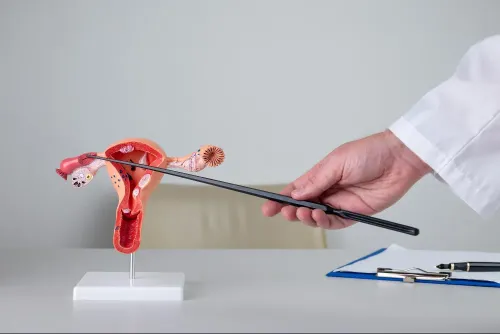
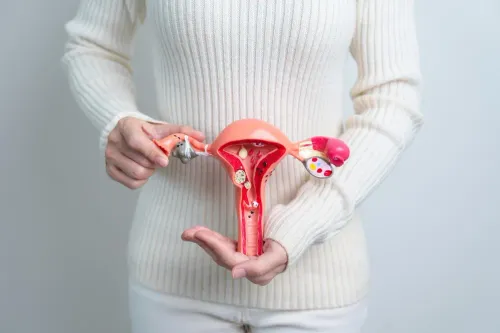
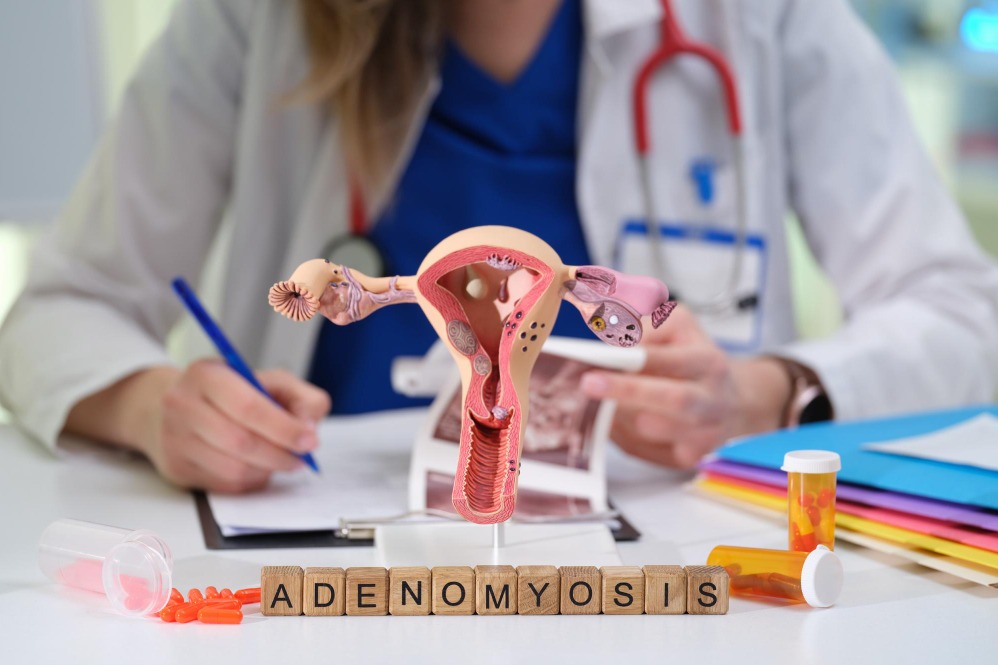
Adenomyosis occurs when endometrial tissue grows within the muscle of the uterus. This can cause the uterus to become enlarged and may lead to painful menstrual cycles and heavy bleeding. Although the exact cause is not fully understood, the condition is most commonly diagnosed in women during their reproductive years and can also affect women approaching menopause.
Symptoms vary widely, and some women may have adenomyosis without experiencing noticeable discomfort.
Common Symptoms
Medical evaluation is recommended if you experience symptoms such as:
- Heavy or prolonged menstrual bleeding
- Severe menstrual cramps
- Chronic pelvic pain
- Pain during intercourse
- A feeling of pressure in the lower abdomen
- Difficulty conceiving in some cases
These symptoms are not unique to adenomyosis, making professional assessment important for an accurate diagnosis.
How Is Adenomyosis Diagnosed?
Diagnosis begins with a detailed discussion of your symptoms and menstrual history. Depending on your condition, your gynecologist may recommend:
- Pelvic examination
- Ultrasound
- MRI in selected situations
- Additional investigations to rule out other gynecological disorders
A careful evaluation helps identify the cause of symptoms and supports appropriate treatment planning.
Available Adenomyosis Treatment Options
Treatment depends on the severity of symptoms, age, reproductive plans, and overall health.
Medical Management
Many women benefit from medications that help reduce menstrual pain and manage heavy bleeding. Hormonal therapy may also be recommended for selected patients based on individual clinical needs.
Lifestyle Support
While lifestyle changes do not cure adenomyosis, maintaining a healthy weight, regular physical activity, balanced nutrition, and adequate rest may contribute to overall well-being alongside medical treatment.
Surgical Management
When symptoms remain severe despite conservative treatment, surgery may be considered. The choice of procedure depends on the woman's age, future pregnancy plans, and the extent of the condition.
When Should You Consult a Specialist?
Consider scheduling a consultation if:
- Heavy bleeding affects your daily routine.
- Pain persists despite medication.
- Symptoms worsen over time.
- Pregnancy has been delayed despite regular attempts.
- Ultrasound findings suggest adenomyosis.
Women seeking evaluation for persistent pelvic pain or abnormal menstrual bleeding benefit from individualized assessment rather than assuming symptoms are a normal part of menstruation. Dr. Shikha Sardana provides evidence-based evaluation for adenomyosis, helping patients understand their diagnosis and available treatment options based on current gynecological guidelines.
Although adenomyosis is a chronic condition, timely diagnosis and personalized management can help women improve symptom control and make informed decisions about their reproductive health and future pregnancy planning.