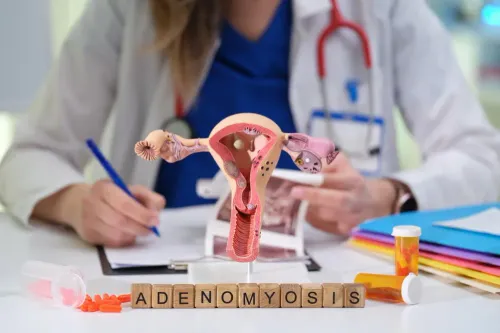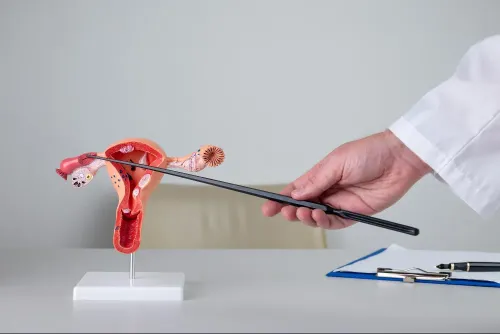


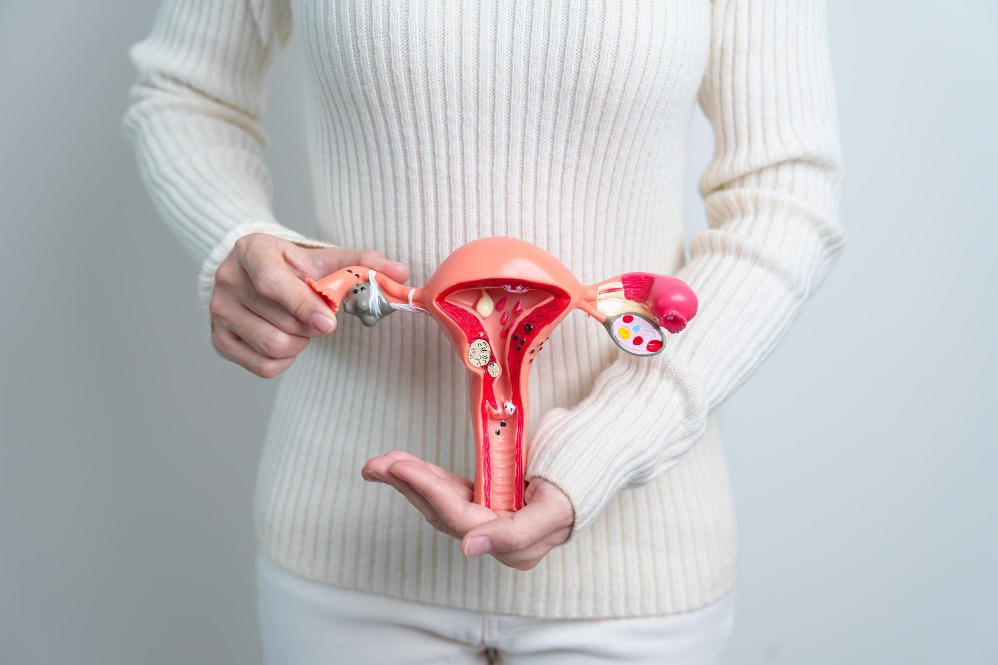
Many women experience painful periods at some point in their lives, but persistent pelvic pain, pain during intercourse, or difficulty conceiving should not be ignored. These symptoms may be associated with endometriosis, a condition in which tissue similar to the lining of the uterus grows outside the uterus. Seeking timely endometriosis treatment can help manage symptoms, improve quality of life, and support reproductive health.
Women in Zirakpur are increasingly becoming aware of endometriosis as improved diagnosis helps identify the condition earlier than in the past.
What Is Endometriosis?
Endometriosis is a chronic gynecological condition where tissue resembling the uterine lining develops on the ovaries, fallopian tubes, pelvic lining, or other nearby structures. Like the uterine lining, this tissue responds to hormonal changes during the menstrual cycle, which can lead to inflammation, irritation, and scar tissue formation.
The severity of symptoms does not always match the extent of the disease. Some women with mild endometriosis experience significant discomfort, while others with more extensive disease may have few noticeable symptoms.
Common Symptoms to Watch For
Symptoms vary from person to person but may include:
- Severe menstrual cramps
- Chronic pelvic pain
- Pain during or after intercourse
- Pain while passing urine or stools during menstruation
- Heavy menstrual bleeding
- Fatigue
- Difficulty conceiving
These symptoms can overlap with other gynecological conditions, making professional evaluation important.
How Is Endometriosis Diagnosed?
Diagnosis begins with a detailed discussion of symptoms and medical history. Depending on the clinical findings, a gynecologist may recommend:
- Pelvic examination
- Ultrasound imaging
- MRI in selected situations
- Laparoscopy when required for diagnosis or treatment
A timely diagnosis helps guide appropriate management and may reduce delays in addressing fertility concerns.
Treatment Options Depend on Individual Needs
There is no one-size-fits-all approach to endometriosis treatment. Management depends on symptom severity, age, reproductive goals, and the extent of the condition.
Common approaches include:
Pain Management
Medication may help relieve discomfort and improve day-to-day functioning.
Hormonal Therapy
Hormonal treatments may help reduce the activity of endometriosis and manage symptoms in women who are not currently planning pregnancy.
Laparoscopic Surgery
For women with persistent symptoms, ovarian endometriomas, or fertility-related concerns, minimally invasive surgery may be considered to remove endometriosis while preserving healthy tissue whenever possible.
Fertility Planning
Women planning pregnancy may benefit from individualized fertility assessment, particularly if conception has been delayed.
Can Lifestyle Changes Help?
Medical treatment remains the foundation of care, but healthy lifestyle habits may support overall well-being. These include:
- Regular physical activity
- Balanced nutrition
- Adequate sleep
- Stress management
- Following the prescribed treatment plan
Lifestyle measures should complement, not replace, medical care.
Finding the Right Support
Living with endometriosis can affect physical health, emotional well-being, relationships, and fertility planning. Early consultation allows women to understand their options and receive care that reflects their individual circumstances.
Dr. Shikha Sardana offers comprehensive evaluation for women experiencing symptoms suggestive of endometriosis, helping patients understand available medical and surgical treatment options based on current clinical guidelines.
Although endometriosis is a long-term condition, timely diagnosis and personalized care can help women manage symptoms more effectively and make informed decisions about their reproductive health.