


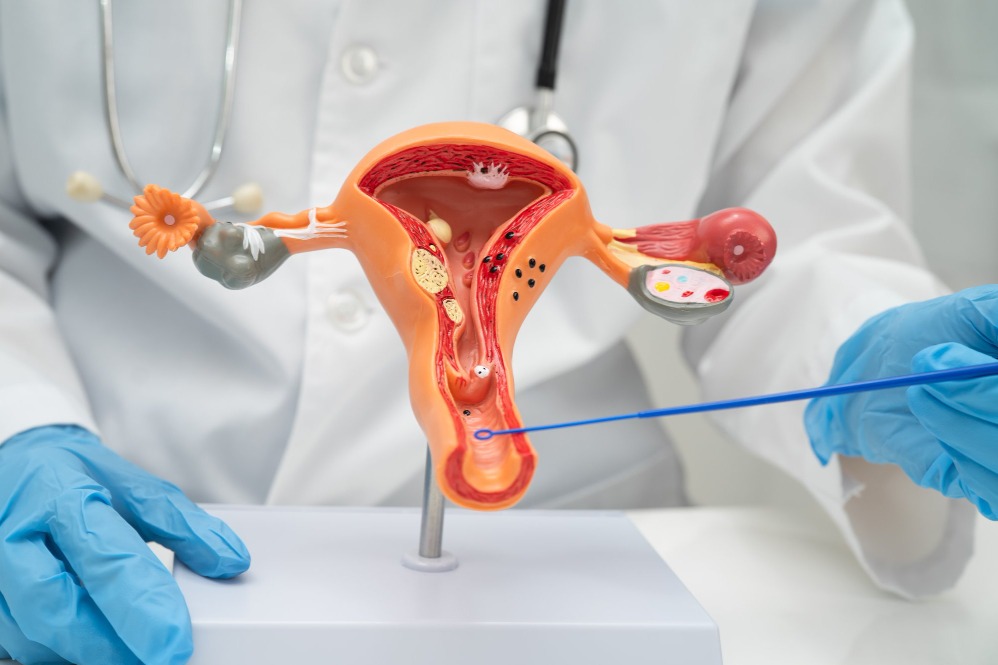
Ultrasound provides valuable information about the uterus, but certain abnormalities within the uterine cavity may require a more direct assessment. Diagnostic Hysteroscopy is a minimally invasive procedure that enables a gynecologist to examine the inside of the uterus using a thin instrument equipped with a camera. It may be recommended when symptoms, fertility concerns, previous pregnancy losses, or imaging findings require further clarification.
For women in Panchkula, understanding why this investigation has been advised can make the procedure and the treatment decisions that follow easier to understand.
What Happens During the Procedure
A hysteroscope is a slender telescope-like instrument that is carefully passed through the vagina and cervix into the uterine cavity. Because the procedure follows the body's natural passage, an abdominal incision is not required for diagnostic examination.
The camera allows the gynecologist to directly inspect the uterine cavity and identify abnormalities that may not always be fully characterized through ultrasound alone.
The exact setting, pain-management approach, and preparation depend on the patient's circumstances and the planned procedure.
What Can the Examination Detect
Direct visualization can help assess conditions such as:
- Endometrial polyps
- Submucosal fibroids
- Intrauterine adhesions
- Uterine septum
- Abnormalities of the uterine lining
- Other structural changes within the cavity
The findings can provide additional information when deciding whether treatment is required.
When May a Gynecologist Recommend It
Diagnostic hysteroscopy is not necessary for every gynecological complaint. It may be considered in selected women experiencing:
Abnormal Uterine Bleeding
Persistent heavy, irregular, or otherwise unexplained bleeding may require examination of the uterine cavity when initial assessment does not provide sufficient information.
Fertility Concerns
In selected infertility evaluations, examining the cavity may help identify polyps, adhesions, fibroids, or structural abnormalities that could be clinically relevant.
Recurrent Pregnancy Loss
When previous miscarriages raise concern about the structure of the uterine cavity, hysteroscopic evaluation may be considered as part of a broader assessment.
Findings on Imaging
An ultrasound may identify a possible polyp, fibroid, or another intracavitary abnormality. Direct visualization can sometimes help clarify the finding and guide subsequent management.
How It Differs From an Ultrasound
Ultrasound and hysteroscopy provide different types of information.
Ultrasound creates images of the uterus, ovaries, and surrounding pelvic structures and is usually an important initial investigation.
Hysteroscopy provides a direct view specifically inside the uterine cavity.
One investigation does not simply replace the other. The appropriate test depends on the clinical question that needs to be answered.
Diagnostic and Operative Hysteroscopy Have Different Purposes
Patients sometimes assume that hysteroscopy automatically means surgery.
Diagnostic hysteroscopy primarily examines the uterine cavity. Operative hysteroscopy allows certain abnormalities to be treated using instruments passed through the hysteroscope.
For example, selected polyps, adhesions, and fibroids projecting into the uterine cavity may be treated hysteroscopically when clinically appropriate.
Whether diagnosis and treatment are performed at the same time depends on the condition, planned procedure, and individual circumstances.
Questions Worth Asking Before the Procedure
Before undergoing hysteroscopy, patients can ask:
- Why has the procedure been recommended?
- What abnormality is being investigated?
- Is any specific preparation required?
- What type of pain management will be used?
- What happens if an abnormality is identified?
- When can normal activities usually be resumed?
Clear answers help patients understand both the purpose and expected course of the investigation.
Women requiring evaluation of abnormal bleeding, infertility, recurrent pregnancy loss, or suspected uterine abnormalities can consult Dr. Shikha Sardana. Patients from Panchkula can receive an individualized assessment to determine whether hysteroscopic evaluation is clinically appropriate.
Diagnostic hysteroscopy is most useful when it answers a specific medical question. Rather than being a routine investigation for every patient, it provides targeted information about the uterine cavity that can support a more accurate diagnosis and better-informed treatment planning.