

For couples trying to conceive, the health of the fallopian tubes plays an important role in natural fertilization. One condition that can significantly affect fertility is hydrosalpinx, where a fallopian tube becomes blocked and fills with fluid. Understanding hydrosalpinx treatment can help women make informed decisions about fertility planning and appropriate medical care.
Women in Panchkula are often diagnosed with hydrosalpinx during infertility investigations or pelvic imaging. Although the condition may sound alarming, timely evaluation can help determine the most suitable treatment based on individual reproductive goals.
What Is Hydrosalpinx?
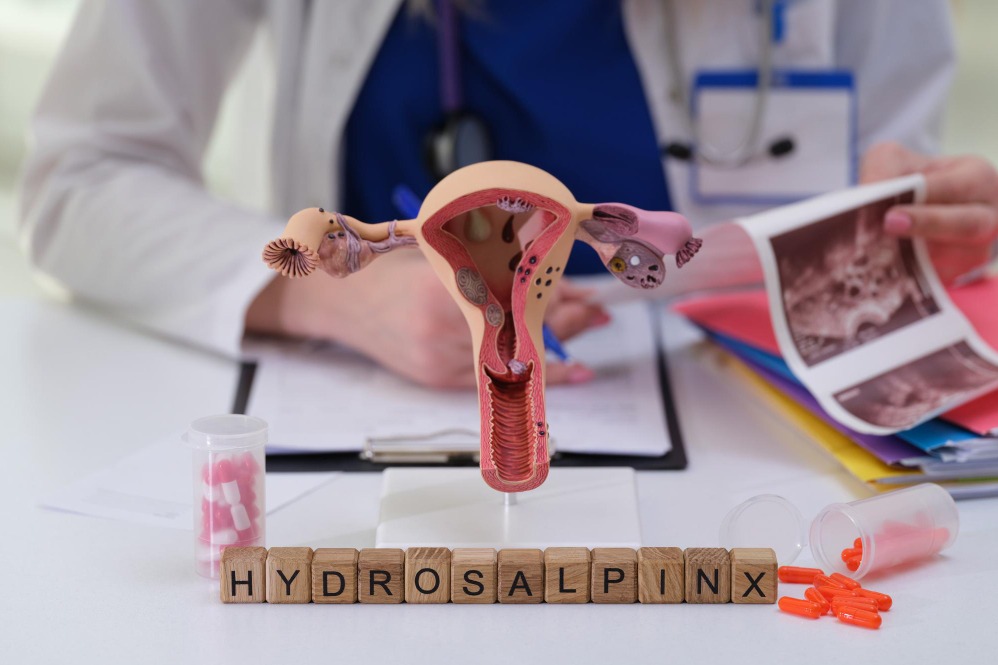
Hydrosalpinx is a condition in which one or both fallopian tubes become blocked and swollen with fluid. The blockage prevents the normal movement of the egg through the tube and may affect the environment required for fertilization and early embryo development.
The condition may involve one fallopian tube or both, and its impact on fertility depends on the extent of the blockage and the woman's overall reproductive health.
What Causes Hydrosalpinx?
Several gynecological conditions may contribute to hydrosalpinx, including:
- Previous pelvic inflammatory disease
- Endometriosis
- Pelvic adhesions
- Prior abdominal or pelvic surgery
- Certain reproductive tract infections
- Previous ectopic pregnancy in some cases
Identifying the underlying cause helps guide treatment decisions.
What Symptoms Can Occur?
Many women with hydrosalpinx experience no noticeable symptoms and only discover the condition during fertility testing. Others may experience:
- Difficulty conceiving
- Chronic pelvic pain
- Lower abdominal discomfort
- Unusual vaginal discharge in some cases
- Pain during menstruation
Since these symptoms may overlap with other gynecological conditions, professional evaluation is essential.
How Is Hydrosalpinx Diagnosed?
A gynecologist may recommend one or more investigations depending on your medical history and fertility concerns, such as:
- Pelvic ultrasound
- Hysterosalpingography (HSG)
- Sonosalpingography
- Diagnostic laparoscopy when clinically indicated
These investigations help confirm the diagnosis and evaluate the condition of the fallopian tubes.
What Are the Available Hydrosalpinx Treatment Options?
Treatment depends on several factors, including the severity of the condition, age, fertility goals, and whether one or both tubes are affected.
Possible treatment approaches include:
Surgical Management
Minimally invasive laparoscopic surgery may be recommended for selected patients to remove or manage the affected fallopian tube before further fertility treatment, depending on the clinical situation.
Fertility Planning
For women planning pregnancy, treatment recommendations are individualized. In some cases, assisted reproductive techniques such as IVF may be considered after appropriate evaluation, particularly when hydrosalpinx is likely to affect treatment outcomes.
Managing Underlying Conditions
If hydrosalpinx is associated with conditions such as endometriosis or previous pelvic infections, those issues may also need to be addressed as part of the overall treatment plan.
When Should You Consult a Specialist?
Consider scheduling a fertility evaluation if:
- You have been unable to conceive despite regular unprotected intercourse.
- Imaging suggests blocked fallopian tubes.
- You have a history of pelvic inflammatory disease or pelvic surgery.
- You have experienced an ectopic pregnancy.
- You have ongoing pelvic pain along with fertility concerns.
Early assessment allows couples to understand the cause of infertility and discuss appropriate treatment options before planning the next steps.
Women diagnosed with hydrosalpinx benefit from personalized fertility assessment rather than relying on imaging findings alone. Dr. Shikha Sardana provides comprehensive evaluation for tubal factor infertility, helping patients understand the available investigations and evidence-based treatment options according to their reproductive goals and overall health.
Although hydrosalpinx can reduce the likelihood of natural conception, timely diagnosis and individualized treatment planning enable many couples to move forward with an informed and structured approach to fertility care.