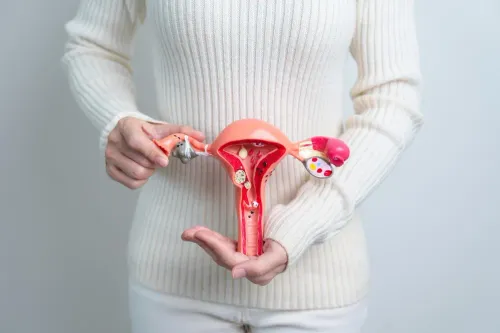



Abnormal uterine bleeding, repeated miscarriages, infertility, or persistent findings on ultrasound may require a closer examination of the uterus. In many such situations, hysteroscopy is an important diagnostic and treatment procedure that allows gynecologists to evaluate the inside of the uterus with precision.
For women in Panchkula understanding why hysteroscopy is recommended can reduce anxiety and help them make informed healthcare decisions.
What Is Hysteroscopy?
Hysteroscopy is a minimally invasive procedure in which a thin telescope-like instrument, called a hysteroscope, is gently passed through the cervix into the uterus. The attached camera provides a clear view of the uterine cavity, helping identify abnormalities that may not always be visible through imaging alone.
Depending on the findings, certain conditions can also be treated during the same procedure.
When Might a Doctor Recommend Hysteroscopy?
A gynecologist may advise hysteroscopy for several reasons, including:
- Abnormal or heavy menstrual bleeding
- Bleeding after menopause
- Recurrent miscarriage evaluation
- Infertility assessment
- Suspected uterine polyps
- Uterine adhesions
- Congenital uterine abnormalities
- Removal of retained tissue after pregnancy in selected cases
The recommendation depends on individual symptoms and clinical findings.
Conditions That Can Be Identified
Hysteroscopy allows direct visualization of the uterine cavity and may help diagnose:
- Endometrial polyps
- Submucosal fibroids
- Scar tissue inside the uterus
- Septum within the uterus
- Endometrial abnormalities
- Retained pregnancy tissue in appropriate clinical situations
This detailed assessment supports more accurate treatment planning.
Is Hysteroscopy Only a Diagnostic Procedure?
No. Hysteroscopy may be either diagnostic or operative.
During operative hysteroscopy, a gynecologist may remove polyps, treat adhesions, resect selected fibroids, or correct certain structural abnormalities without making abdominal incisions. This minimally invasive approach often results in faster recovery compared to traditional open surgery for suitable cases.
What Should Patients Expect?
The procedure is usually planned after clinical evaluation and may involve:
- Pre-procedure consultation
- Review of medical history
- Necessary investigations
- Day-care admission in many cases
- Observation after the procedure
- Follow-up consultation
Recovery time varies depending on whether the procedure is purely diagnostic or includes treatment.
Frequently Asked Questions
Is hysteroscopy painful?
Many women experience only mild discomfort, though the experience varies. Pain management options are discussed before the procedure.
Will I need a hospital stay?
Diagnostic hysteroscopy and many operative procedures are commonly performed as day-care procedures, depending on the patient's condition.
Can hysteroscopy improve fertility?
If the procedure identifies and treats conditions such as uterine polyps, adhesions, or certain structural abnormalities, it may support fertility management in appropriately selected patients. The expected benefit depends on the underlying diagnosis.
Women who require evaluation for abnormal bleeding, infertility, or recurrent pregnancy loss often benefit from individualized assessment before deciding whether hysteroscopy is appropriate. Dr. Shikha Sardana provides comprehensive gynecological evaluation and recommends hysteroscopy only when clinically indicated, ensuring that patients understand the purpose, expected outcomes, and available alternatives.
A clear diagnosis is often the first step toward effective treatment, and hysteroscopy remains one of the valuable tools available in modern gynecological care for selected clinical situations.