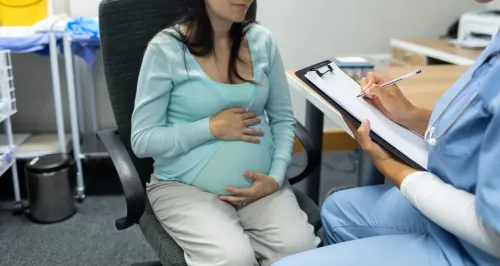



Menstrual cramps are common, particularly during the first few days of a period. However, Painful Periods that repeatedly interfere with work, studies, sleep, exercise, or everyday activities deserve closer attention. Severe menstrual pain can sometimes be associated with an underlying gynecological condition rather than being something a woman simply has to tolerate every month.
For women in Chandigarh, recognizing changes in menstrual pain can help determine when a routine symptom should be discussed with a gynecologist.
Not All Menstrual Pain Has the Same Cause
Menstrual pain is commonly divided into primary and secondary dysmenorrhea.
Primary dysmenorrhea refers to menstrual cramping that occurs without an identifiable pelvic disorder. It often begins during adolescence or within the first few years after periods start.
Secondary dysmenorrhea develops because of an underlying condition affecting the reproductive organs. It may begin later in life, become progressively more severe, or occur alongside other menstrual and pelvic symptoms.
Understanding this distinction is important because management depends on the likely cause of the pain.
Changes in Your Usual Pattern Matter
Pain should be assessed in the context of a woman's normal menstrual pattern.
Consider discussing symptoms with a gynecologist when:
- Period pain is becoming progressively worse
- Pain frequently prevents normal daily activities
- Discomfort continues beyond the usual menstrual days
- Menstrual bleeding has become significantly heavier
- Pelvic pain occurs between periods
- Intercourse is painful
- Bowel movements become painful around menstruation
- Pregnancy has not occurred despite regular attempts
- Pain has started after previously manageable periods
These symptoms do not establish a particular diagnosis, but they can indicate that further assessment is appropriate.
What Conditions Can Cause Significant Period Pain
Endometriosis is one possible cause of secondary menstrual pain. In this condition, tissue similar to the lining of the uterus grows outside the uterine cavity and can contribute to pelvic pain and fertility difficulties in some women.
Adenomyosis may also cause painful menstruation, often together with heavy bleeding. It occurs when endometrial-type tissue is present within the muscular wall of the uterus.
Fibroids, pelvic infections, ovarian conditions, and other gynecological problems may also contribute depending on the clinical situation.
Because several conditions can produce similar symptoms, severe cramps alone cannot identify the underlying cause.
How a Gynecological Assessment Helps
Evaluation usually begins with a detailed history.
A doctor may ask when the pain begins in relation to menstruation, how long it lasts, whether it has changed over time, how severe it becomes, and whether there are associated symptoms.
Menstrual flow, fertility plans, previous pregnancies, sexual health, medications, and relevant medical history may also be discussed.
A pelvic examination may be appropriate in some circumstances. Ultrasound can help assess the uterus and ovaries when a structural cause is suspected.
Additional investigations are selected according to symptoms rather than being routinely required for every woman.
Treatment Should Match the Diagnosis
For primary menstrual cramps, treatment may include appropriate pain-relieving medication and other supportive measures based on individual suitability.
When an underlying condition is identified, management focuses on that condition. Options may include medication, hormonal management, or a gynecological procedure when clinically indicated.
Reproductive plans are particularly important. A woman actively trying to conceive may require a different approach from someone primarily seeking menstrual symptom control.
Dr. Shikha Sardana evaluates women experiencing persistent menstrual and pelvic symptoms from Chandigarh. Assessment considers the pattern of pain, associated symptoms, relevant investigations, and future pregnancy plans before management is selected.
Menstrual discomfort should be judged by more than its presence alone. Severity, progression, associated symptoms, and impact on everyday life provide important clues. When period pain repeatedly changes how a woman lives each month, identifying its cause can be more useful than continually relying on temporary symptom relief.