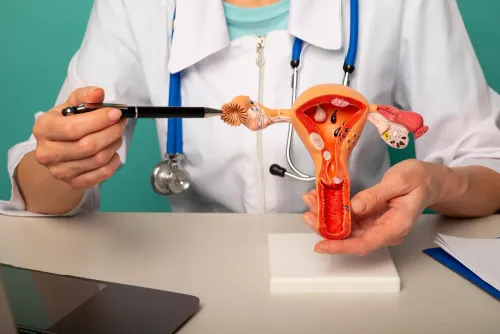



Hormones coordinate many processes involved in menstruation, ovulation, metabolism, and reproduction. When this balance is disrupted, the effects may appear as irregular cycles, changes in menstrual flow, difficulty conceiving, unexpected weight changes, or other symptoms. Hormonal Disorders affecting women's reproductive health therefore require evaluation based on the overall pattern of symptoms rather than a single laboratory result.
Women in Mohali experiencing persistent cycle changes can benefit from understanding which symptoms may justify further assessment and why identifying the underlying condition matters.
Menstrual Changes Can Provide Useful Clues
A menstrual cycle is influenced by coordinated signals between the brain, ovaries, thyroid gland, and other parts of the endocrine system.
Hormonal disturbances can alter ovulation and menstrual timing. Depending on the cause, women may experience:
- Irregular menstrual cycles
- Infrequent periods
- Missed periods
- Changes in menstrual flow
- Difficulty predicting ovulation
- Acne
- Increased facial or body hair
- Unexplained weight changes
- Fertility difficulties
One symptom by itself does not necessarily indicate a hormonal condition. Persistent combinations of symptoms are usually more informative.
PCOS Is One Possible Explanation
Polycystic ovary syndrome is a common hormonal and metabolic condition affecting women of reproductive age.
Women with PCOS may experience irregular ovulation, infrequent periods, acne, increased facial or body hair, and fertility difficulties. Some also have insulin resistance and metabolic risk factors.
An ultrasound showing polycystic-appearing ovaries alone does not necessarily establish the diagnosis. Clinical history and other relevant findings need to be considered.
This distinction is important because treatment should address the woman's actual symptoms and health priorities rather than an ultrasound appearance alone.
Thyroid Function Can Influence Menstrual Health
Thyroid hormones affect many functions throughout the body, including reproductive processes.
Both reduced and excessive thyroid activity can be associated with menstrual changes. Thyroid dysfunction can also produce symptoms such as changes in energy, weight, temperature tolerance, heart rate, and bowel habits.
When menstrual symptoms occur alongside clinical features suggesting thyroid dysfunction, appropriate thyroid testing may form part of the evaluation.
Prolactin May Affect Ovulation
Prolactin is another hormone that can influence reproductive function.
Elevated prolactin levels may contribute to irregular or absent periods and interfere with ovulation in some women. The cause of an abnormal result needs careful interpretation because medications, physiological factors, and certain medical conditions can influence prolactin levels.
An isolated abnormal laboratory value should therefore be interpreted within the wider clinical picture.
Testing Should Be Guided by Symptoms
Ordering a large panel of hormone tests without considering menstrual timing, symptoms, and medical history may produce results that are difficult to interpret.
A more targeted evaluation generally begins by reviewing:
- Menstrual cycle pattern
- Duration of symptoms
- Weight and metabolic changes
- Skin and hair symptoms
- Current medications
- Pregnancy plans
- Previous reproductive history
- Relevant family and medical history
Blood investigations and ultrasound may then be selected according to the suspected condition.
Management Depends on the Woman's Priorities
Treatment is not identical for every woman with a hormonal problem.
Someone seeking more predictable menstrual cycles may have different treatment priorities from a woman trying to conceive. Management may also need to address metabolic health, thyroid function, elevated prolactin, or another identified condition.
For women planning pregnancy, establishing whether regular ovulation is occurring can be particularly relevant.
Dr. Shikha Sardana provides individualized gynecological and reproductive evaluation for women from Mohali who experience persistent menstrual irregularities or symptoms potentially related to hormonal health.
Hormonal symptoms are best understood as part of a broader clinical pattern. Accurate evaluation connects menstrual history, physical symptoms, reproductive goals, and appropriately selected investigations. Identifying that pattern helps ensure treatment addresses the underlying concern rather than focusing only on an individual hormone value.