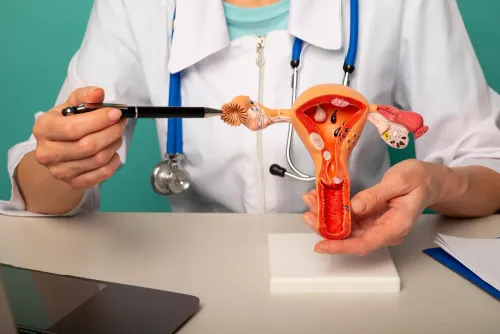



The hymen is a normal, variable rim of tissue, and neither its appearance nor bleeding during first vaginal intercourse can prove whether someone has had sex. Before making a decision, you need to understand what hymenoplasty changes, what it cannot guarantee, the medical risks, and whether your choice is genuinely free from pressure or danger.
Key takeaways
- A hymen cannot prove whether someone has had vaginal intercourse.
- Hymenoplasty cannot guarantee bleeding, pain, or proof of sexual history.
- Choose freely; pressure, threats, or danger require confidential safety support.
- Ask about technique, anaesthesia, risks, recovery, evidence, and local law.
The hymen cannot prove sexual history
The hymen cannot prove whether you have had vaginal intercourse. It is a thin rim or fold of mucosal tissue at the vaginal opening, not a sealed membrane covering the vagina. Hymen anatomy varies naturally: some people have a wider opening, some have a crescent-shaped rim, and some have very little tissue.
Hymen appearance does not record sexual history. It can change through normal development, tampon use, sports, injury, medical procedures, or intercourse, while an intact-looking hymen does not prove that intercourse has never occurred. A genital examination cannot establish “virginity,” and no certificate can make that conclusion medically valid.
Bleeding during first intercourse is also not proof of virginity. Whether bleeding occurs depends on factors such as:
- The amount and elasticity of hymenal tissue
- Lubrication and arousal
- The type and force of intercourse
- Previous stretching, injury, or medical treatment
Some people bleed; many do not. A reconstructed hymenal rim cannot guarantee bleeding later because tissue can stretch, tear, or remain unbleeding during intercourse. Virginity testing, hymen inspection, and surgery performed to produce a particular wedding-night result therefore cannot provide scientific evidence of sexual history.
An imperforate hymen that blocks menstrual flow is a separate congenital condition requiring treatment for a medical reason, not proof of virginity.
What hymenoplasty changes—and what it cannot guarantee
Hymenoplasty changes the tissue at the vaginal opening; it does not restore a medically definable state of virginity or guarantee bleeding during later intercourse. A surgeon may perform hymen reconstruction by joining remaining hymenal tissue with absorbable sutures, creating tissue flaps, or using added biological or synthetic material.
“Temporary” and “permanent” describe a technique or marketing claim, not a guaranteed duration or result.
| Procedure | Purpose | What it changes |
|---|---|---|
| Hymenoplasty | Elective reconstruction | Narrows or reconstructs tissue at the opening; it cannot prove sexual history or ensure bleeding |
| Hymenectomy | Removal of hymenal tissue | Removes excess, thick, or obstructive tissue rather than rebuilding it |
| Imperforate hymen treatment | Relieve a congenital blockage | Opens or removes sealed tissue so menstrual blood can pass and symptoms can be treated |
An imperforate hymen is not the usual anatomy: it is tissue that completely blocks the vaginal opening and can cause retained menstrual blood, pelvic pain, or difficulty urinating. A microperforate, septate, or unusually thick hymen can also obstruct flow or make tampon use and penetration difficult.
These conditions call for medically indicated treatment, not surgery intended to create bleeding.
Bleeding after intercourse depends on tissue elasticity, lubrication, arousal, the type of penetration, and individual anatomy. Sports, tampon use, medical procedures, hormonal changes, and injury can also alter hymenal tissue. No reconstructed hymen can guarantee a particular physical sign.
Separate your own decision from pressure or danger
Consent is meaningful only when you can say no, delay the decision, or choose no surgery without punishment, abandonment, or loss of safety. Cultural pressure and family pressure can influence you without proving that the choice is yours.
Threats, forced marriage, trafficking, or family violence turn the situation into a safety concern, not a routine medical decision.
| Situation | What it suggests | Safer response |
|---|---|---|
| You can discuss alternatives and change your mind without consequences | A voluntary decision is possible | Request time and an independent consultation |
| A partner or relative demands surgery, threatens exposure, or promises safety only if you agree | Coercion is affecting consent | Do not disclose plans to the person threatening you; contact a trusted person or local support service privately |
| You fear forced marriage, family violence, confinement, or retaliation | You may face immediate danger | Seek a safety plan from a domestic violence or sexual assault service, and call your local emergency number if danger is immediate |
Ask the clinician to speak with you alone, using an interpreter only if you trust its confidentiality. Ask who can access your records and when the clinic must share information under local safeguarding law. Use a safer phone or device if someone monitors you.
Do not confront a threatening person about your plans if that could increase danger; preserve messages only when doing so will not put you at risk. A clinician who pressures you, contacts relatives without permission, or promises guaranteed bleeding is a reason to leave.
What to ask during a confidential consultation
Agree only after you have had time to ask questions privately, receive clear answers, and give informed consent without pressure. A hymen inspection or “virginity certificate” cannot scientifically prove sexual history.
1. Ask what exact technique will be used, which tissue or materials are involved, and whether the aim is reconstruction or treatment of a medical problem such as an obstructive hymen.
2. Give a complete medical history, including allergies, medicines, bleeding disorders, previous vaginal procedures, infections, pregnancy plans, and past reactions to anaesthesia. Ask whether a pelvic examination is needed, what it will involve, and who will perform it.
3. Ask about anaesthesia, the setting, pain control, wound care, expected healing time, and restrictions on intercourse, tampon use, exercise, bathing, and work. Request written aftercare instructions.
4. Ask how often complications occur, what happens if the repair opens or heals differently, who handles urgent problems, and when follow-up takes place. No clinician can guarantee bleeding, a particular examination result, or what will happen during later intercourse.
5. Confirm who can access your records, whether relatives or partners will be told anything, and how confidentiality works under local safeguarding law. Tell the clinician privately if threats, forced marriage, family violence, trafficking, or another danger is involved.
6. Ask what the fee includes and seek an independent, licensed gynaecologist’s opinion before deciding. Dr Shikha Sardana can help you use the consultation to distinguish medically necessary care from a cosmetic promise, but you remain entitled to pause or refuse.
Weigh limited evidence, surgical risks, and local law
Published evidence is limited: most reports are small case series, retrospective studies, or expert descriptions rather than comparative trials. Reliable rates for bleeding, satisfaction, recurrence, and hymenoplasty complications are therefore uncertain; a clinician cannot promise bleeding or a particular result.
Hymenoplasty does not improve fertility. An uncomplicated operation should not increase your chance of conception, while infection, scarring, pain, or excessive narrowing could make intercourse difficult and require treatment.
Possible complications include:
- Postoperative pain, infection, bleeding, or a hematoma
- Wound separation or delayed healing
- Scarring or altered sensation
- Narrowing of the vaginal opening
- Painful intercourse
- Poor cosmetic or functional results
Seek prompt medical care after surgery for fever, worsening pain, heavy bleeding, pus or foul-smelling discharge, a wound that opens, or difficulty passing urine. Treat nonstandard materials, secrecy about the operator’s qualifications, pressure to pay before a proper consultation, and claims of guaranteed bleeding as warning signs.
The law can decide whether the procedure is available at all. The Health and Care Act 2022 created criminal offences covering virginity testing and hymenoplasty under England and Wales law, subject to statutory definitions and exceptions. Laws differ elsewhere, so check the jurisdiction where treatment would occur, not only the clinic’s advertising.
If threats, forced marriage, trafficking, or family violence are involved, request a private safety discussion and do not proceed until you have confidential support.
Frequently asked questions
Can the hymen prove whether someone has had vaginal intercourse?
No. Hymen shape and tissue vary naturally, and examination cannot reliably establish sexual history.
What does hymenoplasty change?
The procedure alters or reconstructs tissue at the vaginal opening. It cannot recreate a definitive sign of sexual history or guarantee bleeding during later intercourse.
What should you ask during a hymenoplasty consultation?
Ask about the technique, anaesthesia, expected recovery, pain, bleeding, infection, scarring, complications, alternatives, evidence, privacy, and total follow-up plan.
What should you consider before deciding on hymenoplasty?
Consider your own wishes separately from pressure or threats, the limited evidence, surgical risks, and the laws that apply where you live.