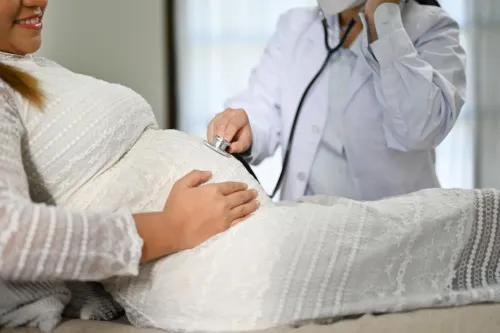


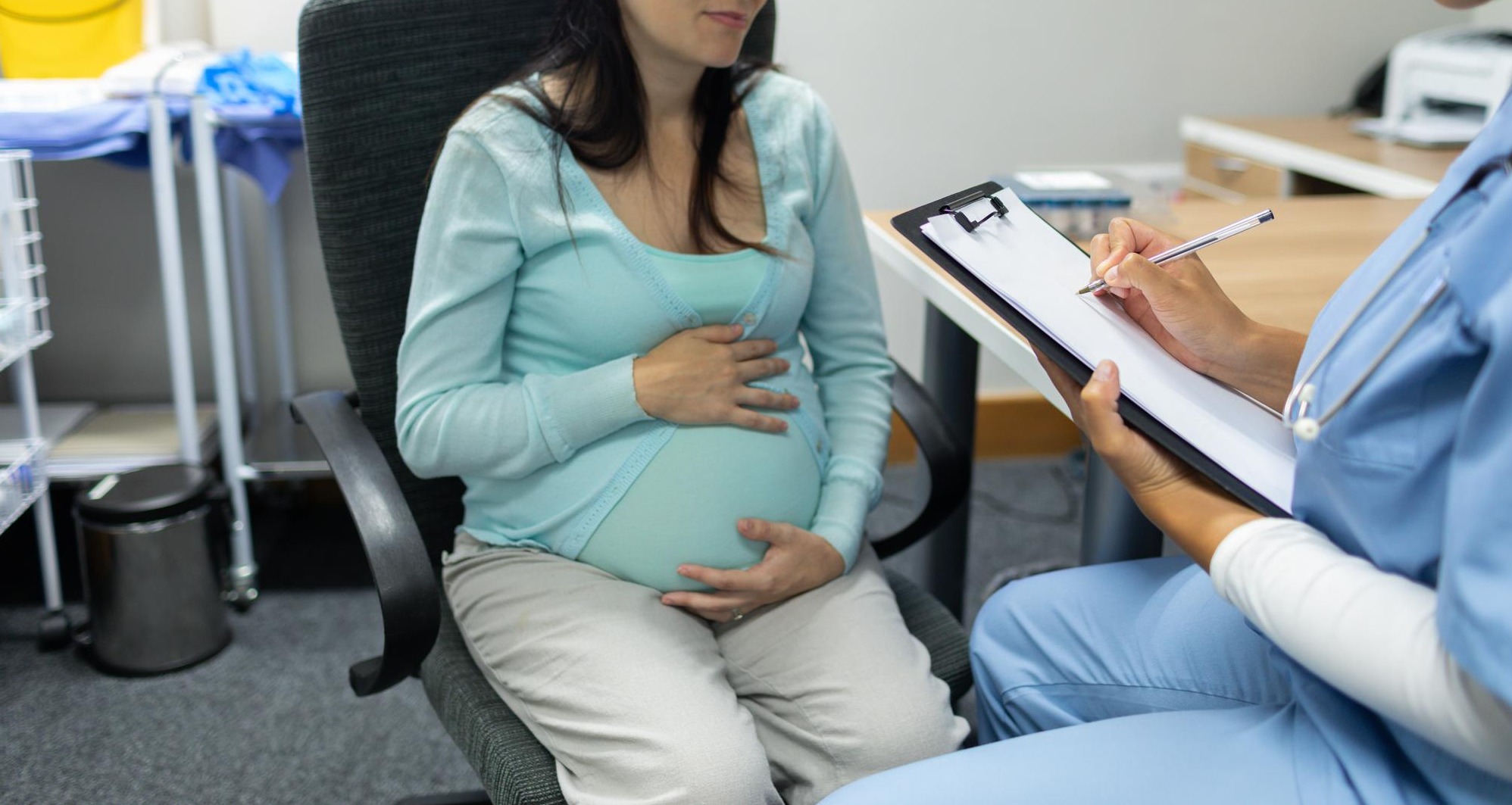
The term High-Risk Pregnancy can sound concerning, but it does not mean that complications will definitely occur. It means that certain maternal, fetal, pregnancy-related, or medical factors make closer observation advisable. Identifying these factors allows the healthcare team to plan appropriate monitoring and respond to changing clinical needs throughout pregnancy.
For expecting mothers in Mohali, understanding why a pregnancy has been categorized as higher risk can make medical recommendations easier to follow and help women participate more actively in their care.
What Makes a Pregnancy Higher Risk
A pregnancy may require additional monitoring because of a condition present before conception, a previous pregnancy history, or a concern that develops during the current pregnancy.
Examples can include:
- Pre-existing diabetes
- Chronic hypertension
- Certain thyroid conditions
- Maternal heart or kidney disease
- Multiple pregnancy
- Previous significant pregnancy complications
- Pregnancy at an advanced maternal age
- Certain fetal growth concerns
- Gestational diabetes
- Pregnancy-related hypertension
- Placental problems
Having one of these factors does not predict the outcome of the pregnancy. Its significance depends on the individual clinical situation.
Risk Can Be Identified at Different Stages
Some women know before conception that they have a medical condition requiring additional attention. In these cases, pregnancy planning can include reviewing medications and optimizing the underlying condition.
Other pregnancies initially progress without additional risk factors but later require closer surveillance because of findings such as elevated blood pressure, abnormal glucose levels, fetal growth concerns, or placental abnormalities.
This is one reason regular maternity appointments remain important even when a woman feels well.
What Closer Monitoring May Involve
Additional care does not mean that every patient needs the same tests at the same frequency.
Depending on the identified concern, management may involve:
- More frequent clinical appointments
- Blood pressure monitoring
- Blood and urine investigations
- Glucose monitoring when indicated
- Additional ultrasound examinations
- Assessment of fetal growth
- Monitoring fetal well-being
- Consultation with other medical specialists when necessary
The purpose is to monitor the specific factor that makes the pregnancy higher risk.
Existing Medical Conditions Need Coordinated Care
Women with chronic health conditions may require coordination between their obstetrician and another treating specialist.
For example, diabetes management during pregnancy may require careful glucose monitoring and medication adjustment. Chronic hypertension may require review of blood pressure medication and closer observation. Thyroid disorders also need appropriate monitoring because treatment requirements can change during pregnancy.
Patients should not discontinue prescribed medication simply because they discover they are pregnant. Medication decisions should be made with the treating healthcare team.
Know When Symptoms Need Prompt Attention
Women with higher-risk pregnancies should understand which symptoms warrant timely assessment.
These can include:
- Vaginal bleeding
- Persistent severe abdominal pain
- Fluid leakage
- Severe headache with visual disturbance
- Sudden significant swelling
- Breathing difficulty
- Regular painful contractions before term
- Noticeably reduced fetal movement after movements are established
The relevance of individual symptoms varies with gestational age and medical history, so patients should follow the specific instructions given by their maternity team.
Delivery Planning Is Individualized
A high-risk classification does not automatically mean that a woman requires a Caesarean delivery.
The safest mode and timing of delivery depend on maternal health, fetal condition, gestational age, placental factors, previous obstetric history, and how the pregnancy progresses.
Some women can have a vaginal birth, while others may require planned intervention based on clinical indications.
Dr. Shikha Sardana provides individualized pregnancy assessment for women from Mohali, who require additional maternal or fetal monitoring. Care is planned according to identified risk factors rather than applying the same pathway to every pregnancy.
The value of recognizing a high-risk pregnancy lies in preparation rather than prediction. Appropriate surveillance, management of existing conditions, timely investigations, and individualized delivery planning help the healthcare team make informed decisions throughout pregnancy while keeping maternal and fetal well-being at the centre of care.