

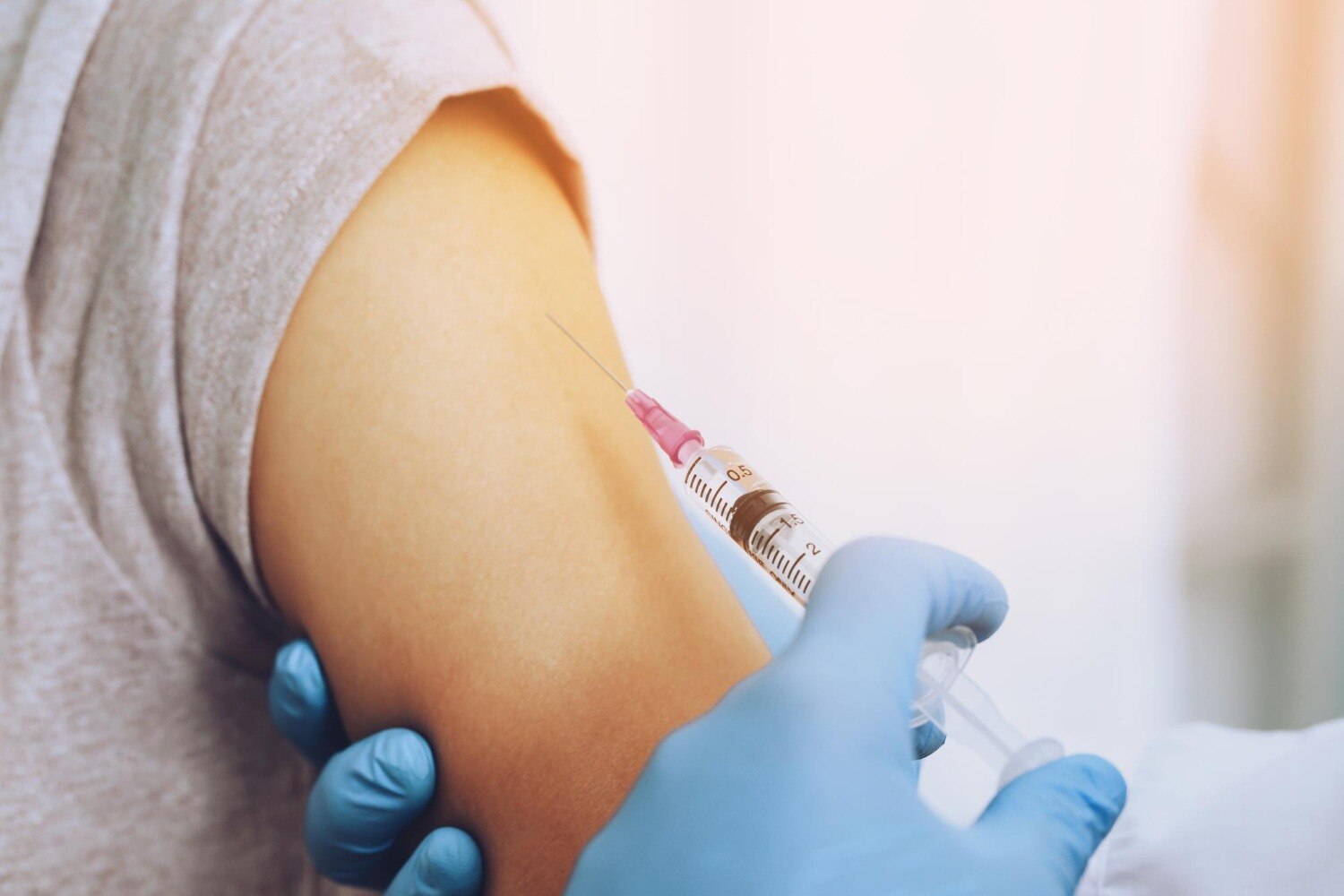
Persistent infection with certain high-risk HPV types can change cervical cells and eventually cause cancer, while other HPV types cause genital warts rather than cancer. By the end, you will know who benefits from vaccination, how many doses are needed, what protection the vaccine provides, and why screening remains necessary afterward.
Key takeaways
- Complete the recommended HPV vaccine series for your age at first dose.
- Vaccination can still protect against HPV types you have not encountered.
- The vaccine prevents new infections but does not treat existing HPV.
- Do not restart the series after a missed dose; confirm the next dose date.
How HPV infection can lead to cervical cancer
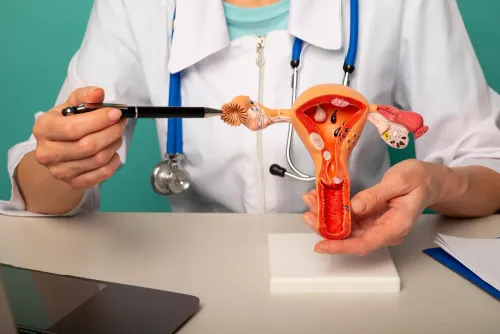
Persistent infection with high-risk human papillomavirus can change cells in the cervix, especially where the glandular and squamous cells meet. The virus produces proteins that interfere with cell-control mechanisms, including p53 and retinoblastoma protein. Abnormal cells can then multiply, develop into precancer, and eventually invade nearby tissue.
This process usually takes years; most HPV infections clear before causing harm.
HPV-16 and HPV-18 cause about 70% of cervical cancers worldwide, which makes vaccination a cancer-prevention measure, not only protection against a sexually transmitted infection. The 9-valent vaccine covers nine HPV types:
| Type group | Types | Main significance |
|---|---|---|
| High-risk cancer-associated types | 16, 18, 31, 33, 45, 52, 58 | Can cause persistent infection, cervical precancer, and cancer |
| Low-risk wart-associated types | 6, 11 | Cause most anogenital warts and rarely cause cancer |
Coverage against several high-risk types gives the 9-valent vaccine broader protection than a vaccine targeting HPV-16 and HPV-18 alone. It prevents new infections and related precancers; it does not clear an existing infection or treat cervical abnormalities, genital warts, or cancer. A vaccinated person still needs cervical screening at the recommended ages.
Who should receive the HPV vaccine and how many doses are needed
Routine HPV vaccination is recommended for all adolescents at age 11 or 12, and vaccination can start at age 9. Starting before HPV exposure gives the vaccine its best chance to prevent infection, so waiting until sexual activity begins is unnecessary.
Use the age at the first dose to choose the schedule:
- Start before the 15th birthday: give two doses, with dose 2 six to 12 months after dose 1.
- Start at age 15 or older: give three doses at 0, 1–2, and 6 months.
- Have an immunocompromising condition: give three doses at 0, 1–2, and 6 months, even if dose 1 was given before age 15.
Catch-up vaccination through age 26 is recommended for anyone who did not receive all recommended doses earlier. Adults aged 27 through 45 can discuss vaccination with a clinician; the average benefit is smaller because prior HPV exposure becomes more likely, but vaccination can still prevent types not yet encountered.
Do not restart the series because a dose was late. Continue from the last valid dose and confirm the interval with a clinician. Pregnancy calls for postponing remaining doses until afterward, not ending a pregnancy; breastfeeding is compatible with vaccination.
Why vaccination still helps after sexual activity begins
HPV vaccination after sexual activity can still protect you against HPV types you have not encountered. Having had sex does not mean exposure to every vaccine-covered type, so vaccination can prevent new infections and the precancers they may cause.
Routine HPV testing before vaccination is not recommended because the result cannot show which future types you will encounter.
The vaccine does not clear an existing HPV infection or reverse an abnormal cervical-cell result. It also does not treat cervical cancer. If you already have a positive HPV testing result or an abnormal Pap test, follow the recommended evaluation and treatment plan; vaccination does not replace that care.
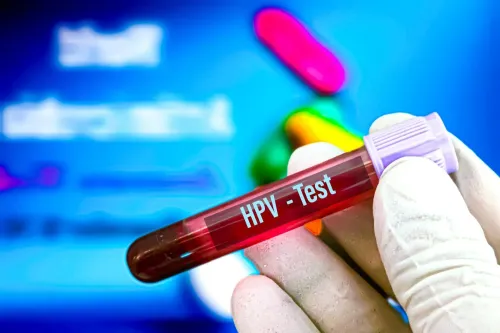
Vaccination and cervical screening serve different purposes. A Pap test examines cervical cells for changes, while HPV testing detects high-risk HPV linked to cervical cancer. Your screening schedule should follow the national guideline that applies to you, whether or not you are vaccinated.
Do not shorten, delay, or stop screening solely because you received the vaccine: no HPV vaccine covers every cancer-causing type, and protection against cervical cancer is not complete. Keep screening appointments even after vaccination.
What protection the vaccine provides—and what it cannot do
Vaccination is highly effective in practice at preventing new infections with covered HPV types and the HPV-related precancer they can cause, with the strongest protection before exposure. It does not clear an existing infection or treat an established cervical abnormality, genital warts, or cancer.
| Issue | What the evidence means | What you should do |
|---|---|---|
| Cervical screening | No vaccine covers every oncogenic HPV type, and protection against all cervical cancers is incomplete. | Continue screening at national guideline intervals; do not stop or shorten it because you were vaccinated. |
| Other STIs | The vaccine targets selected HPV types, not every sexually transmitted infection. | Use condoms and other safer-sex practices; vaccination is not a substitute. |
| Pregnancy and HPV vaccine | Defer remaining doses during pregnancy. An inadvertent dose is not a reason to end a pregnancy or seek special intervention. | Resume after pregnancy; vaccination can be given while breastfeeding. |
| Fertility | HPV vaccine safety monitoring has not shown reduced fertility. | Do not avoid vaccination because of infertility fears; discuss individual concerns with a clinician. |
Vaccination and screening work together: the vaccine prevents many new HPV infections, while screening detects cervical cell changes early. A vaccinated person still needs both protections.
How to manage missed doses, uncertain records, and the next clinical decision
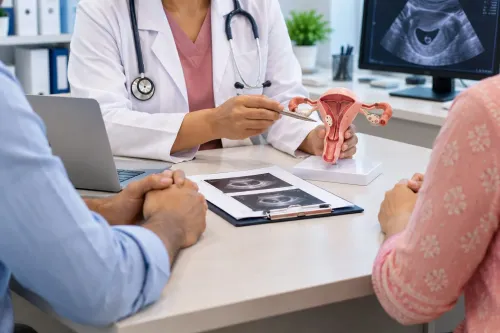
A late dose does not erase earlier protection. Use the next clinical visit to reconstruct the series, check whether the interval is valid, and decide what remains.
1. Continue after a missed HPV vaccine dose rather than restarting. A delayed HPV vaccine dose needs no replacement dose: give the next dose as soon as possible.
If a two-dose schedule was completed less than five months apart, give a third dose at least 12 weeks after dose two and at least five months after dose one.
2. Search for the vaccination record in the clinic’s files, school or public-health registry, and any immunisation app or paper card. Do not count an undocumented dose based only on memory; if reliable documentation cannot be found, clinicians generally vaccinate rather than leave you unprotected.
Extra doses are not usually a reason for special treatment, but confirm the plan before proceeding.
3. Tell the clinician if a different HPV vaccine product was used. Licensed HPV vaccines can generally complete the same series, so do not restart solely because the brand changed.
A history of anaphylaxis to a previous dose or vaccine component prevents another dose; postpone it during moderate or severe acute illness, but not for a minor cold.
4. Defer remaining doses during pregnancy, then resume after pregnancy; an inadvertent dose does not call for pregnancy termination or special intervention. HPV vaccination can be given while breastfeeding. Dr Shikha Sardana can help reconcile an incomplete vaccination record with pregnancy timing, contraindications, and the next dose.
Continue cervical screening on the national schedule, even after completing vaccination.
Related service
Cervical Cancer Screening, HPV Vaccination & Preventive Women's Health Cervical Cancer Screening, HPV Vaccination & Preventive Women's Health Dr Shikha Sardana offers comprehensive Cervical Cancer Screening, HPV Vaccination, and Preventive Women's Health services to help women maintain... View service → |
Frequently asked questions
How can HPV infection lead to cervical cancer?
Persistent infection with high-risk HPV can disrupt cell-control proteins, causing precancerous changes that may invade nearby tissue.
Who should receive the HPV vaccine, and how many doses are needed?
The number of doses depends on your age when vaccination began and your immune status. Confirm the schedule with a clinician using your vaccination record.
Does HPV vaccination help after sexual activity begins?
Yes. Sexual activity does not prove exposure to every vaccine-covered HPV type, so vaccination can still prevent new infections.
What does the HPV vaccine not do?
It does not treat an existing HPV infection, remove cervical cell changes, or replace cervical cancer screening.
What should you do after a missed HPV vaccine dose or uncertain records?
Do not restart the series. Ask a clinician or vaccination centre to review documented doses and set the next dose according to the applicable interval.